The open road, scenic views, and the comfort of your own bed – that’s the dream of caravanning and motorhoming. But a common nightmare for many mobile adventurers is the unwelcome appearance of damp and mould on their mattresses. Not only is it unsightly and smelly, but it can also pose health risks and significantly shorten the life of your bedding.
Fear not! Protecting your caravan or motorhome mattress from these insidious invaders is entirely achievable with a few proactive steps and smart habits. This guide will walk you through everything you need to know to keep your sleeping sanctuary fresh, dry, and mould-free.
Understanding Damp and Mould in Caravans and Motorhomes
Before we dive into solutions, it’s crucial to understand why these vehicles are particularly susceptible.
Why are Caravans and Motorhomes Susceptible?
- Confined Spaces: The smaller interior volume means moisture builds up quickly from breathing, cooking, and showering.
- Condensation: Warm, moist air inside meets colder surfaces (windows, walls, and crucially, the underside of your mattress), leading to condensation.
- Temperature Fluctuations: The rapid heating and cooling of the vehicle’s interior exacerbate condensation issues.
- Lack of Ventilation: If not properly managed, airflow can be restricted, trapping moisture.
- Storage Conditions: During periods of storage, especially over winter, without heating or regular ventilation, damp can take hold.
The Dangers of Damp and Mould
Mould isn’t just a nuisance; it can be a serious problem:
- Health Issues: Spores can trigger allergies, asthma, and other respiratory problems.
- Unpleasant Odours: A persistent musty smell can permeate your entire vehicle.
- Mattress Damage: Mould degrades mattress materials, making them unsanitary and uncomfortable.
- Structural Damage: Severe damp can lead to rot and damage to the vehicle’s interior.
Proactive Steps to Prevent Damp and Mould on Your Mattress
Prevention is always better than cure. Incorporating these habits will significantly reduce the risk of damp and mould.
Ventilation is Key
Good airflow is your best defence against condensation and moisture build-up.
- Open Vents and Windows: Even on colder days, crack open roof vents and windows for short periods to allow air exchange. Use fly screens to keep pests out.
- Use Extractor Fans: Always use kitchen and bathroom extractor fans when cooking or showering.
- Leave Cupboard Doors Ajar: When parked up or in storage, leave internal doors and cupboard doors slightly open to promote air circulation throughout the vehicle.
- Regular Airing: When you’re away from your caravan or motorhome, visit periodically to open it up and air it out thoroughly.
Moisture Control
Directly tackling moisture in the air is vital for caravan mattress protection.
- Invest in a Dehumidifier: An electric dehumidifier is highly effective, especially during colder months or when the vehicle is in storage. For off-grid or storage, non-electric moisture traps (desiccant dehumidifiers) are excellent for absorbing ambient humidity.
- Wipe Down Condensation: Regularly wipe down condensation from windows and other cold surfaces, especially first thing in the morning.
- Dry Clothes Outside: Avoid drying wet clothes or towels inside your vehicle whenever possible.
- Limit Indoor Humidity Sources: Cover pans when cooking, and keep shower doors closed to contain steam.
Proper Mattress Care
Your mattress itself needs specific attention to stop damp motorhome mattress issues.
- Lift and Aerate Regularly: If your mattress sits on a solid base, lift it daily or every few days to allow air to circulate underneath. This is crucial for mattress ventilation caravan.
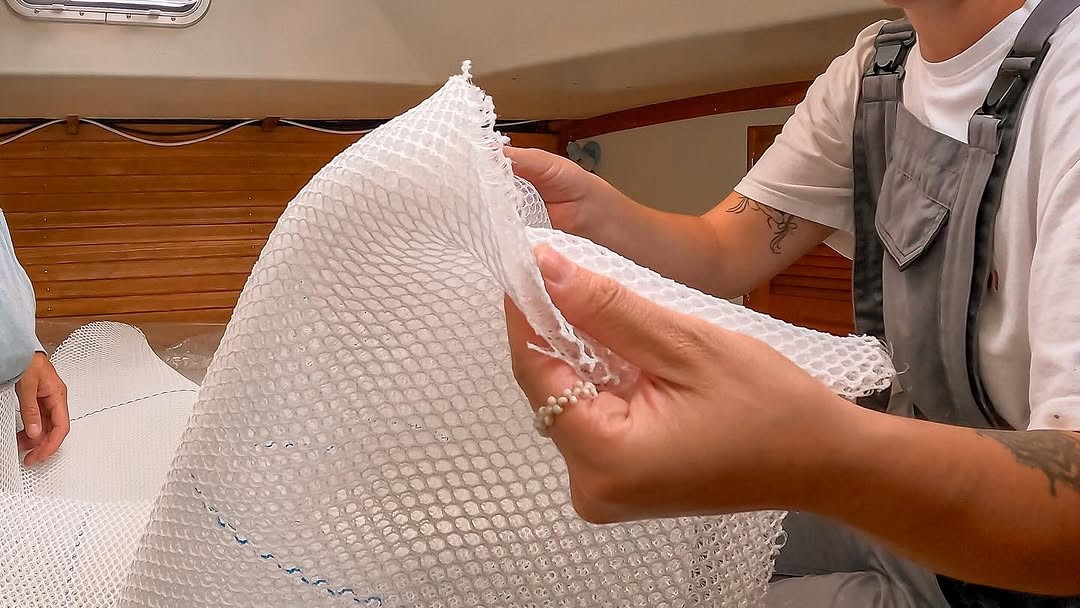
- Use an Anti-Condensation Mat: These essential mats create a gap between your mattress and the bed base. This allows air to flow, preventing moisture from getting trapped and significantly reducing the risk of mould growth on the underside – a common problem area.
- Breathable Mattress Protectors: Invest in a high-quality, breathable mattress protector that wicks away moisture from the sleeping surface without trapping it.
- Choose the Right Mattress: Consider specialist caravan mattresses designed with ventilation channels or breathable materials that resist moisture.
- Don’t Make the Bed Immediately: Give your mattress a chance to air out each morning before covering it with bedding. Pull back the duvet and let it breathe for a while.
Dealing with Existing Damp or Mould
Even with the best prevention, sometimes mould can appear. Early detection and treatment are key.
Early Detection
- Regular Checks: Periodically inspect your mattress, especially the underside and edges, as well as bedding, cushions, and curtains.
- Smell Test: A musty smell is often the first sign of damp or mould, even before you can see it.
Cleaning Minor Mould
If you find small spots of mould on your mattress, act quickly:
- Vacuum Thoroughly: Use a vacuum cleaner with a HEPA filter to remove loose spores from the affected area.
- Vinegar Solution: Mix equal parts white vinegar and water. Lightly spray the affected area and let it sit for an hour before dabbing dry with a clean cloth. Vinegar is a natural anti-fungal.
- Tea Tree Oil: Mix a few drops of tea tree oil with water in a spray bottle. Spray lightly and allow to air dry. Tea tree oil is a natural disinfectant.
- Specialist Mould Removers: For tougher stains, use a mould remover specifically designed for fabric, always patch-testing first.
- Thorough Drying: After cleaning, ensure the mattress is completely dry before replacing bedding. Use a fan or hair dryer on a cool setting.
When to Replace Your Mattress
If the mould growth is extensive, deeply ingrained, or you can’t eliminate the musty smell, it’s safer to replace your mattress. The health risks associated with persistent mould outweigh the cost of a new one.
Winter Storage Tips for Your Caravan/Motorhome Mattress
Winter storage is a critical time for prevent mould caravan and motorhome mattresses.
- Remove and Store Indoors: The ideal solution is to remove your mattress from the vehicle and store it in a dry, well-ventilated area indoors at home.
- Prop Up and Air Out: If removing it isn’t an option, prop the mattress up on its side, away from walls, to maximise airflow around all surfaces.
- Increase Moisture Absorbers: Place extra moisture traps or a dehumidifier inside the vehicle.
- Leave Internal Doors Open: Ensure all internal doors, cupboards, and lockers are left ajar to promote air circulation.
- Breathable Cover: Consider covering the mattress with a breathable sheet or duvet, rather than a thick, non-breathable cover which can trap moisture.
By implementing these strategies, you can effectively protect your camping mattress damp and mould prevention efforts, ensuring your caravan or motorhome remains a healthy, comfortable, and enjoyable space for all your adventures. Happy travels!